

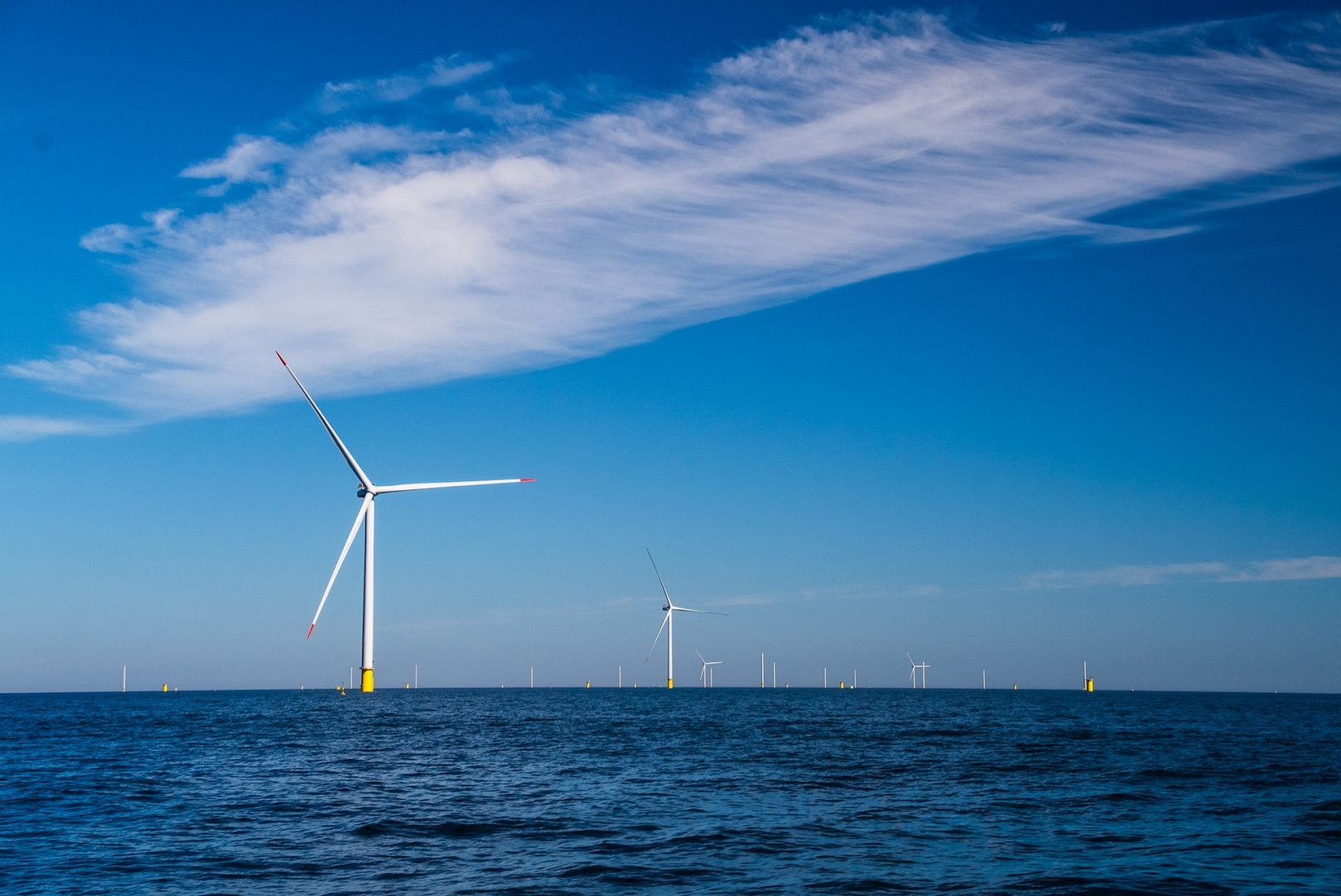


A consortium of three companies — PROJMORS ASE Group, Ramboll Polska and Enprom — will carry out pre-design and engineering work, prepare technical parameters under the Front End Engineering and Design (FEED) phase, and obtain construction permits for the Baltic East Offshore Wind Farm project.
The companies involved bring extensive experience from both the first phase of offshore wind development in Poland and projects carried out in international markets. The participation of Polish firms at this key stage of the Baltic East project forms part of a broader strategy to develop the sector through local content, strengthening the domestic supply chain.
The work will result in comprehensive technical documentation and a detailed cost estimate for the project, enabling precise planning of subsequent development stages. It will also help significantly reduce risks associated with potential delays and unforeseen cost increases during the construction phase.
The FEED studies will be conducted for the Baltic East offshore wind farm, planned with a capacity of 900 MW and the potential to supply clean electricity to more than one million households. The project represents an important step toward increasing the share of renewable energy in Poland’s energy mix and strengthening the country’s energy independence.
A number of Polish companies and institutions will also be involved in the process, including Geofizyka Toruń, Firma Archeologiczna Glesum, Politechnika Morska w Szczecinie, Instytut Łączności, Akademia Marynarki Wojennej, Squadron, and ASE Offshore. The involvement of domestic companies and research institutions is expected not only to strengthen their position in the offshore wind sector but also to build competencies and technological capabilities supporting Poland’s energy transition.
“When delivering strategic investments, we aim to make full use of the potential of Polish companies. Their participation already at the design stage of the wind farm signals that, thanks to the experience gained during the first phase of offshore wind development, the domestic market is increasingly ready to undertake projects in this rapidly growing sector,” said Janusz Bil, President of ORLEN Neptun.
“Building a domestic supply chain is a joint effort involving suppliers, investors, public institutions and industry bodies, as well as government initiatives — the first results of which are already becoming visible,” he added.
The FEED phase represents a key engineering stage preceding the start of full-scale construction works on an offshore wind farm. The design consortium will carry out detailed analyses of geotechnical, hydrological and wind conditions at the selected site and prepare technical specifications for turbines, foundations, electrical substations and offshore cable infrastructure.
The outcome of these works will not only define investment and operational costs more precisely but also help identify the most efficient technologies and the optimal layout for the wind farm.
The FEED results will support the preparation of construction designs and applications for building permits covering the entire wind farm infrastructure. They will also contribute to environmental impact assessments related to grid connection infrastructure and allow for more accurate cost estimates and risk identification — forming a key analytical basis for the investor’s Final Investment Decision (FID). Proper risk management at this stage will help avoid costly changes later in the project and ensure safe and efficient operation of the wind farm for decades.
In December 2025, the Baltic East project was among the winners of Poland’s first offshore wind auction conducted by the Urząd Regulacji Energetyki, enabling the development to move into an advanced phase. At the same time, work is progressing on the Baltic West Offshore Wind Project, which covers four licences in the Ławica Odrzańska area. Both projects form part of the strategy of ORLEN Group, which aims to reach 12.8 GW of installed renewable energy capacity by 2035.
 DOWNLOAD PDF