



For landlocked countries, cooperation on the development of road and rail connections linking ports with their territories is of key importance for the continued growth of the economy and cargo trade. Every new rail connection represents another step towards more integrated and efficient logistics across the region. Slovakia is now gaining precisely such a new “gateway” to Gdańsk.
The launch of the direct rail connection operated by METRANS Group between Slovakia and Poland on the Žilina – Dąbrowa Górnicza – Gdańsk route is intended to strengthen the integration of Central European markets while simultaneously increasing the importance of Gdańsk as one of the key cargo entry points for the countries of Central and Eastern Europe. The development also reflects the growing cooperation between Polish and Slovak entities. In recent months, a series of meetings involving representatives of the transport sectors of both countries has taken place, aimed specifically at deepening partnerships and expanding freight traffic between the two states.
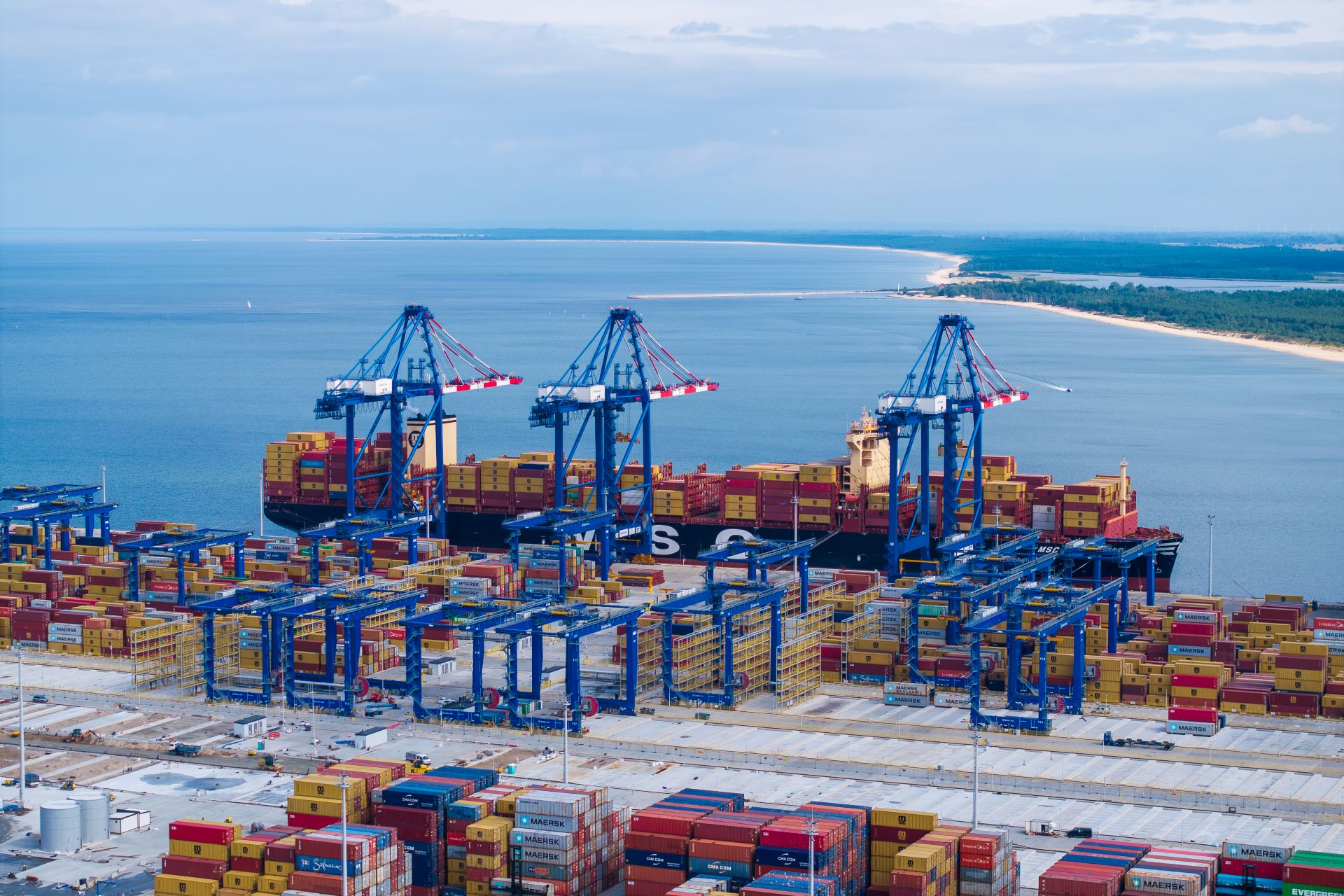
According to Baltic Hub, the new service will in practice provide a more efficient connection between Gdańsk and the markets of Slovakia, as well as Hungary and South-Eastern Europe. It is also expected to shorten transport times, improve predictability within intermodal supply chains, and increase operational flexibility through the expanding rail network. At the same time, it further strengthens the role of Gdańsk as a logistics hub for the wider region.
Importantly, the development of new rail corridors forms part of the broader trend towards strengthening intermodal transport and shifting cargo flows from roads to rail. With this in mind, Baltic Hub is also expanding its intermodal hinterland infrastructure, supporting integration with the European rail network and improving terminal accessibility for partners across the region. The commissioning of the T3 terminal quay last year, alongside increasing cargo handling capacity, was also linked to the expansion of road infrastructure designed to improve throughput. The investments are intended to strengthen supply chain resilience while supporting more sustainable logistics operations.
 DOWNLOAD PDF